Healthcare is one of the most important aspects of life, and Canada is well known for its publicly funded healthcare system. While Canadian citizens and permanent residents enjoy access to essential medical services through provincial health insurance programs, many healthcare-related expenses are still not fully covered.
Prescription medications, dental care, vision care, physiotherapy, private hospital rooms, and certain specialist services may require additional coverage or out-of-pocket payments. As healthcare costs continue to rise in 2026, finding ways to reduce health insurance expenses has become increasingly important for individuals, families, students, and newcomers to Canada.
This comprehensive guide explains how health insurance works in Canada, what is covered, what is not covered, and the most effective strategies to save money on health insurance while maintaining quality healthcare protection.
Understanding Canada’s Healthcare System
Canada operates a publicly funded healthcare system commonly known as Medicare.
Each province and territory manages its own healthcare plan, which generally covers:
- Doctor visits
- Hospital care
- Emergency services
- Medically necessary treatments
- Diagnostic testing
While basic healthcare services are covered, many important healthcare expenses are not included.
What Is Not Covered by Provincial Health Plans?
Many Canadians are surprised to learn that certain healthcare services require private insurance or direct payment.

Common exclusions include:
Prescription Drugs
Most provinces do not fully cover prescription medications for all residents.
Dental Care
Routine dental treatments are generally not included.
Vision Care
Eye exams, glasses, and contact lenses often require separate coverage.
Physiotherapy
Coverage varies depending on province and circumstances.
Mental Health Services
Many counseling and therapy services require private insurance.
Private Hospital Rooms
Upgraded hospital accommodations typically involve additional costs.
Because of these gaps, many Canadians purchase supplemental health insurance.
Why Health Insurance Costs Are Rising in 2026
Several factors contribute to increasing healthcare expenses.
Medical Inflation
Healthcare costs continue to rise each year.
Aging Population
Older populations require more medical services.
Expensive Prescription Drugs
New medications often come with higher costs.
Increased Demand for Healthcare
Growing populations place pressure on healthcare resources.
These trends make cost-saving strategies increasingly important.
Who Needs Private Health Insurance?
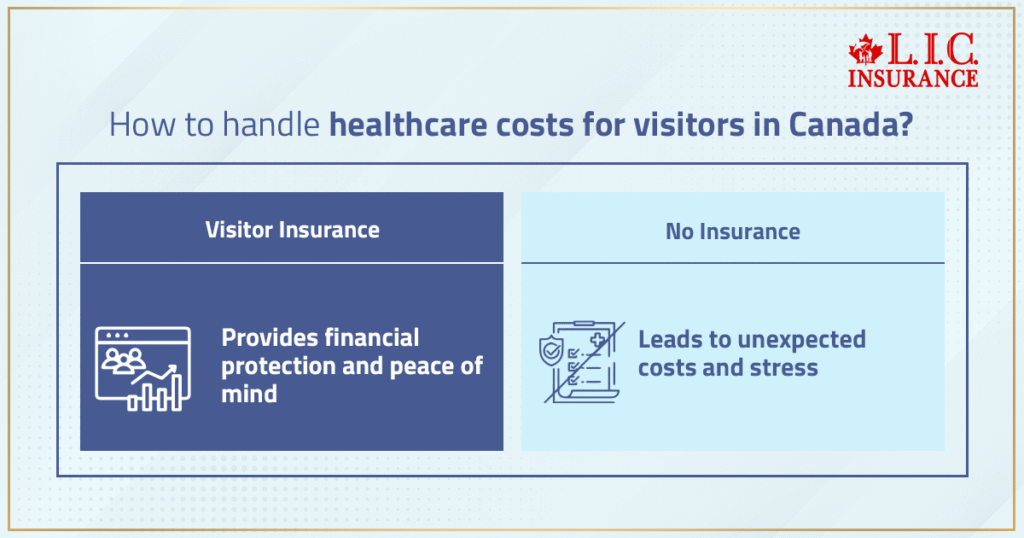
While provincial healthcare covers essential medical services, private insurance is beneficial for:
- Families
- Self-employed individuals
- International students
- Temporary foreign workers
- New immigrants
- Seniors
- Employees without workplace benefits
Private insurance helps reduce unexpected healthcare expenses.
1. Compare Multiple Insurance Providers
One of the easiest ways to save money is to compare several insurance companies before purchasing coverage.
Different insurers offer varying:
- Premiums
- Deductibles
- Coverage limits
- Benefits packages
Never purchase the first policy you encounter without comparison shopping.
2. Review Your Actual Healthcare Needs
Many people overpay for coverage they rarely use.
Ask yourself:
- Do you need dental coverage?
- How often do you buy prescription medications?
- Do you require vision care?
- Do you need extensive travel coverage?
Choosing a plan that matches your actual needs can significantly reduce costs.
3. Use Employer-Sponsored Health Benefits
Many Canadian employers offer group health insurance plans.
Advantages include:
- Lower premiums
- Broader coverage
- Employer contributions
- Better benefits
If available, workplace health insurance is often the most affordable option.
4. Choose a Higher Deductible

A deductible is the amount you pay before insurance coverage begins.
Higher deductibles usually result in:
- Lower monthly premiums
- Reduced annual insurance costs
However, make sure you can afford the deductible if needed.
5. Avoid Duplicate Coverage
Many families unknowingly pay for overlapping benefits.
For example:
- Both spouses may have dental coverage
- Multiple plans may cover the same services
Review all existing benefits carefully before purchasing additional insurance.
6. Use Health Spending Accounts
Some employers provide Health Spending Accounts (HSAs).
These accounts allow employees to:
- Pay healthcare expenses tax-efficiently
- Cover services not included in standard plans
HSAs can reduce out-of-pocket healthcare costs.
7. Consider Family Plans
Family health insurance plans are often more affordable than purchasing separate policies for each individual.
Benefits include:
- Lower combined premiums
- Simplified administration
- Broader family protection
Families with children often benefit significantly from bundled coverage.
8. Take Advantage of Government Programs
Several provinces provide assistance programs for:
- Seniors
- Low-income households
- Children
- Individuals with disabilities
These programs may help reduce prescription drug and healthcare expenses.
Research programs available in your province.
9. Buy Prescription Drugs Strategically
Prescription medication costs can represent a significant healthcare expense.
Ways to save include:
Generic Medications
Generic drugs often cost substantially less than brand-name alternatives.
Mail-Order Pharmacies
Some pharmacies offer lower pricing through mail delivery programs.
Prescription Assistance Programs
Certain programs help reduce medication costs for eligible individuals.
Always consult healthcare professionals before changing medications.
10. Maintain a Healthy Lifestyle
Preventive healthcare can significantly reduce long-term medical expenses.
Healthy habits include:
- Regular exercise
- Balanced nutrition
- Avoiding tobacco products
- Maintaining a healthy weight
- Regular medical checkups
Healthier individuals often require fewer medical services and medications.
Best Types of Health Insurance Plans in Canada
Individual Plans
Designed for single adults without employer coverage.
Advantages
- Flexible options
- Customizable benefits
Disadvantages
- Higher premiums
Family Plans
Designed for couples and families.
Advantages
- Cost-effective
- Comprehensive protection
Disadvantages
- Higher total premium than individual coverage
Group Plans
Provided through employers.
Advantages
- Lower costs
- Better benefits
Disadvantages
- Coverage ends if employment changes
Student Health Insurance
Specifically designed for international and domestic students.
Advantages
- Affordable
- Tailored coverage
Disadvantages
- Limited benefits compared to comprehensive plans
Health Insurance Costs in Canada
Costs vary based on several factors:
Age
Older individuals generally pay higher premiums.
Province
Healthcare costs vary by region.
Coverage Level
More comprehensive plans cost more.
Family Size
Larger families typically require higher premiums.
Medical History
Certain insurers may consider health-related factors.
Monthly private health insurance costs commonly range from:
- $50 to $100 for basic individual plans
- $100 to $300+ for comprehensive family coverage
Common Mistakes That Increase Health Insurance Costs
Buying Too Much Coverage
Many consumers purchase benefits they never use.
Ignoring Employer Benefits
Workplace plans often provide significant savings.
Not Comparing Plans
Failing to shop around can lead to unnecessarily high premiums.
Missing Government Assistance Programs
Many eligible individuals fail to take advantage of available support.
Paying for Brand-Name Medications
Generic alternatives can often reduce prescription costs substantially.
Tips for New Immigrants to Canada
Newcomers should pay special attention to healthcare planning.
Understand Waiting Periods
Some provinces require waiting periods before public healthcare coverage begins.
Obtain Temporary Coverage
Private insurance may be necessary during waiting periods.
Compare Newcomer Plans
Many insurers offer specialized plans for immigrants and foreign workers.
Review Provincial Requirements
Healthcare eligibility varies by province.
Proper planning helps avoid unexpected medical expenses.
Frequently Asked Questions
Is Healthcare Free in Canada?
Many essential healthcare services are publicly funded, but certain services require private insurance or out-of-pocket payment.
Do I Need Private Health Insurance?
Private insurance is highly beneficial for covering services not included in provincial healthcare plans.
Can International Students Get Health Insurance?
Yes. Most provinces and educational institutions require students to have health coverage.
How Can I Reduce Prescription Drug Costs?
Using generic medications, assistance programs, and employer benefits can help reduce costs.
Conclusion
Although Canada provides publicly funded healthcare, many important medical expenses remain outside provincial coverage. Prescription medications, dental care, vision care, and specialized treatments can create significant financial burdens without supplemental insurance.
The good news is that there are many effective ways to save money on health insurance in Canada. Comparing providers, choosing appropriate coverage levels, using employer-sponsored plans, taking advantage of government programs, and maintaining a healthy lifestyle can substantially reduce healthcare expenses.
By understanding your healthcare needs and selecting the right insurance strategy, you can protect both your health and your finances in 2026 and beyond.