Car insurance is a legal requirement in most U.S. states and one of the most important financial protections for drivers. Whether you own a new vehicle, a family SUV, or a used car, having the right insurance policy can protect you from costly accidents, theft, natural disasters, and liability claims.
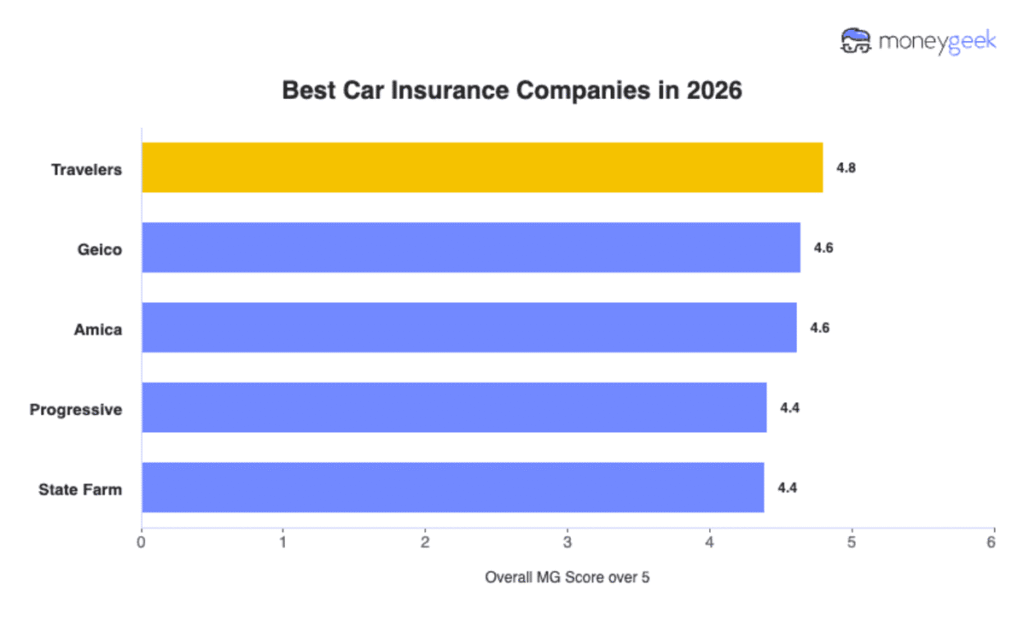
With dozens of insurance providers competing for customers, choosing the best car insurance company can be challenging. Each insurer offers different coverage options, pricing structures, discounts, customer service experiences, and claims processes.
In this comprehensive guide, we compare the best car insurance companies in the USA for 2026, including their key features, coverage options, pros, cons, and who they are best suited for.
Why Choosing the Right Car Insurance Company Matters
Many drivers focus only on finding the cheapest premium. However, the lowest price does not always provide the best value.
A quality insurance company should offer:
- Competitive rates
- Fast claims processing
- Strong financial stability
- Excellent customer support
- Flexible coverage options
- Valuable discounts
Choosing the right insurer can save thousands of dollars over time while providing peace of mind on the road.
What Is Car Insurance?
Car insurance is a contract between a driver and an insurance company.
In exchange for paying premiums, the insurer agrees to cover certain financial losses resulting from:
- Vehicle accidents
- Theft
- Vandalism
- Weather damage
- Liability claims
- Medical expenses
Coverage depends on the specific policy selected.
Types of Car Insurance Coverage
Before comparing companies, it’s important to understand the major types of coverage.
Liability Coverage
Pays for injuries and property damage you cause to others.
Most states require this coverage by law.
Collision Coverage
Covers damage to your vehicle resulting from an accident.
Comprehensive Coverage
Protects against:
- Theft
- Fire
- Flooding
- Falling objects
- Vandalism
Uninsured Motorist Coverage

Provides protection if you’re hit by a driver without insurance.
Personal Injury Protection (PIP)
Helps cover medical expenses and related costs.
1. State Farm
Overview
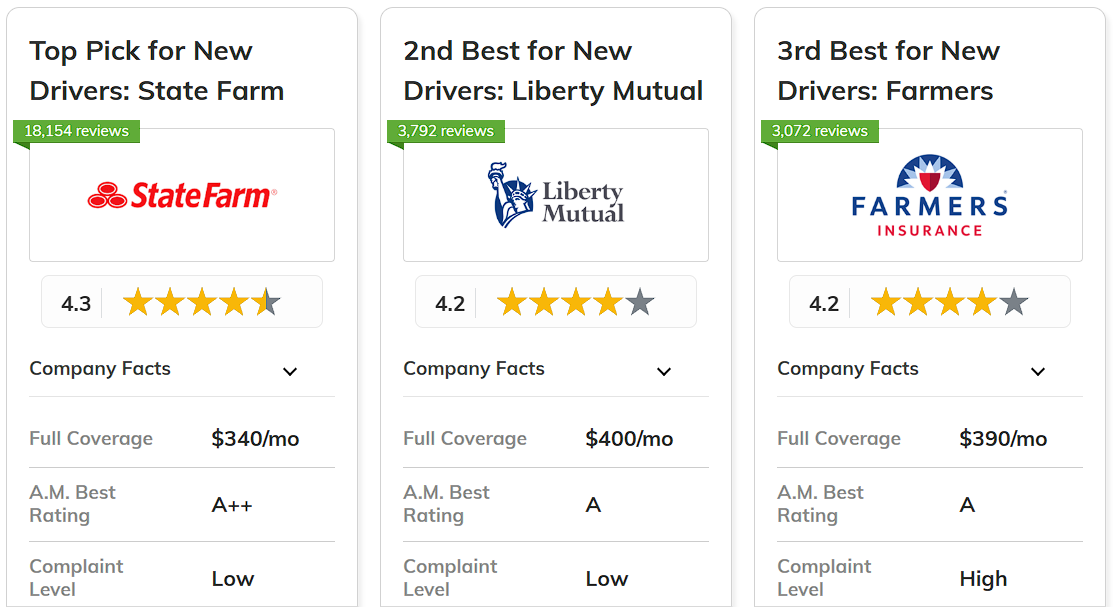
State Farm remains one of the largest car insurance providers in the United States.
Best For
- Families
- Everyday drivers
- Local agent support
Key Features
- Large nationwide network
- Strong customer service
- Multiple discount programs
Pros
- Excellent financial strength
- Reliable claims handling
- Wide availability
Cons
- Premiums may be higher in some states
Average Annual Premium
$1,400 – $2,300
2. GEICO
Overview
GEICO is known for affordable pricing and convenient online tools.
Best For
- Budget-conscious drivers
- Online policy management
Key Features
- Competitive rates
- Easy mobile app
- Fast quote process
Pros
- Affordable premiums
- Strong digital experience
- Multiple discounts
Cons
- Fewer local agents
Average Annual Premium
$1,200 – $2,100
3. Progressive

Overview
Progressive is popular among drivers seeking flexible policy options.
Best For
- High-risk drivers
- Drivers seeking customization
Key Features
- Usage-based insurance
- Snapshot program
- Online comparison tools
Pros
- Flexible coverage
- Good discount opportunities
Cons
- Rates can vary significantly
Average Annual Premium
$1,300 – $2,400
4. Allstate
Overview
Allstate offers a wide range of insurance products and extensive agent support.
Best For
- Drivers seeking personalized service
- Bundled insurance customers
Key Features
- Accident forgiveness
- Safe driving rewards
- Local agents
Pros
- Strong customer support
- Comprehensive coverage options
Cons
- Higher-than-average premiums
Average Annual Premium
$1,600 – $2,800
5. USAA
Overview
USAA consistently ranks among the highest-rated insurers in America.
Best For
- Military members
- Veterans
- Military families
Key Features
- Exceptional customer satisfaction
- Competitive pricing
- Comprehensive coverage
Pros
- Outstanding service
- Affordable premiums
- Excellent claims process
Cons
- Limited eligibility
Average Annual Premium
$1,000 – $1,900
6. Nationwide
Overview
Nationwide provides strong coverage options and attractive discount programs.
Best For
- Safe drivers
- Families
Key Features
- SmartRide program
- Accident forgiveness
- Roadside assistance
Pros
- Strong reputation
- Multiple discounts
Cons
- Availability varies by state
Average Annual Premium
$1,300 – $2,300
7. Farmers Insurance
Overview
Farmers offers customizable insurance packages and extensive agent support.
Best For
- Customized policies
- Home and auto bundles
Key Features
- Personalized coverage
- Strong agent network
Pros
- Flexible policies
- Good educational resources
Cons
- Higher average rates
Average Annual Premium
$1,500 – $2,900
8. Travelers
Overview
Travelers is one of America’s oldest and most respected insurance providers.
Best For
- Drivers seeking comprehensive protection
Key Features
- Broad coverage options
- Multiple discount opportunities
Pros
- Financial stability
- Competitive pricing
Cons
- Customer experience varies by region
Average Annual Premium
$1,300 – $2,400
9. Liberty Mutual
Overview
Liberty Mutual offers highly customizable coverage options.
Best For
- Drivers wanting flexible policies
Key Features
- New car replacement
- Better car replacement options
Pros
- Extensive customization
- Strong online tools
Cons
- Higher premiums for some drivers
Average Annual Premium
$1,500 – $2,700
10. Auto-Owners Insurance
Overview
Auto-Owners has built a reputation for excellent customer service and claims satisfaction.
Best For
- Drivers in eligible states
- Personalized service
Key Features
- Strong agent relationships
- Reliable claims process
Pros
- High customer satisfaction
- Competitive rates
Cons
- Not available nationwide
Average Annual Premium
$1,200 – $2,200
Car Insurance Company Comparison Table
| Company | Best For | Average Premium |
|---|---|---|
| State Farm | Families | $1,400 – $2,300 |
| GEICO | Budget Drivers | $1,200 – $2,100 |
| Progressive | Flexible Coverage | $1,300 – $2,400 |
| Allstate | Personalized Service | $1,600 – $2,800 |
| USAA | Military Families | $1,000 – $1,900 |
| Nationwide | Safe Drivers | $1,300 – $2,300 |
| Farmers | Customized Policies | $1,500 – $2,900 |
| Travelers | Comprehensive Protection | $1,300 – $2,400 |
| Liberty Mutual | Flexible Options | $1,500 – $2,700 |
| Auto-Owners | Customer Satisfaction | $1,200 – $2,200 |
How to Choose the Best Car Insurance Company
Compare Multiple Quotes
Never purchase insurance after reviewing only one quote.
Compare:
- Coverage
- Deductibles
- Discounts
- Customer reviews
Consider Customer Service
A company with excellent customer service can make claims much easier to handle.
Evaluate Financial Strength
Financially stable insurers are more likely to pay claims efficiently.
Review Available Discounts
Common discounts include:
- Safe driver discounts
- Multi-policy discounts
- Good student discounts
- Military discounts
- Vehicle safety discounts
Ways to Lower Your Car Insurance Premium
Many drivers can significantly reduce costs through smart strategies.
Increase Deductibles
Higher deductibles often lower premiums.
Maintain a Clean Driving Record
Safe drivers typically receive lower rates.
Bundle Policies
Combining home and auto insurance can produce substantial savings.
Improve Credit Score
In many states, insurance companies consider credit history when calculating premiums.
Shop Around Annually
Insurance rates change frequently, so compare quotes every year.
Frequently Asked Questions
Which Car Insurance Company Is Cheapest?
GEICO and USAA often provide some of the most competitive rates, though pricing varies by location and driving history.
Is Full Coverage Worth It?
For newer or valuable vehicles, full coverage often provides important financial protection.
How Much Car Insurance Do I Need?
Coverage needs depend on:
- Vehicle value
- State requirements
- Personal assets
- Risk tolerance
Can I Switch Insurance Companies Anytime?
Yes. Most drivers can change insurers whenever they find a better option.
Conclusion
Choosing the best car insurance company in the USA requires more than simply selecting the lowest premium. Factors such as customer service, claims handling, financial stability, coverage options, and available discounts all play important roles.
For 2026, companies like State Farm, GEICO, Progressive, USAA, Nationwide, and Allstate continue to rank among the top choices for American drivers. The ideal insurer depends on your driving history, location, vehicle type, and budget.
By comparing multiple providers and understanding your coverage needs, you can find a policy that offers both affordability and strong financial protection for years to come.